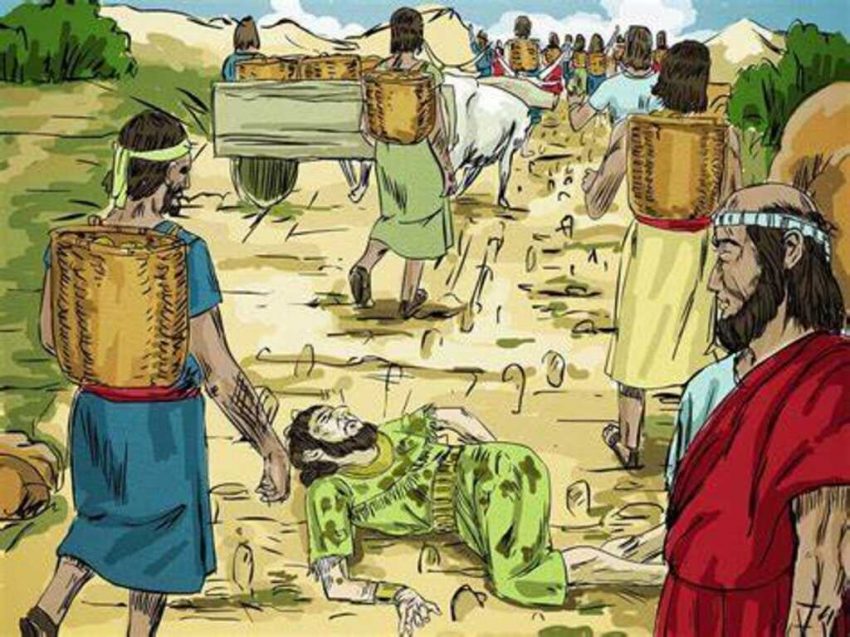
2Ki 7:2 (NIV) “The officer on whose arm the king was leaning said to the man of God, ‘Look, even if the Lord should open the floodgates of the heavens, could this happen?’ ‘You will see it with your own eyes,’ answered Elisha, ‘but you will not eat any of it.’”
This verse captures a moment of staggering unbelief in the face of divine promise. Samaria was under siege, starvation had ravaged the land, and every visible circumstance screamed “impossible.” Into this hopeless atmosphere, God released a prophetic word of sudden turnaround (2Ki 7:1). Yet the king’s officer, bound by the limits of human reasoning, doubted that God could shift the situation. His statement shows the danger of allowing what we see to silence what God has said.
Throughout Scripture, God often speaks possibility into impossible places. When Abraham faced the barrenness of his old age, God declared, “Is anything too hard for the Lord?” (Gen 18:14). When Moses stood before the Red Sea with a trapped nation, God opened a path no one knew existed (Exo 14:21–22). When Mary wondered how she could conceive, the angel affirmed, “Nothing will be impossible with God” (Luk 1:37). The impossible becomes possible when God enters the equation.
The officer in 2 Kings 7 missed the miracle because he allowed the crisis to define his faith. Elisha’s response reminds us that unbelief can disqualify us from experiencing what God is ready to do. God’s breakthroughs are often birthed in the very moments we feel pressed, overwhelmed, or surrounded by impossibility. Faith does not deny reality; it elevates God above it. When everything around you screams “impossible,” heaven whispers, “Watch what I will do.”
Further readings:
Gen 18:14
2Ki 7:1–20
Luk 1:37
🙏 Blessed Weekend 🙏